

Piracy may sound like something from old movies, but it still happens today. Modern pirates may not use wooden ships or wear eye patches, yet they remain a real threat to trade and safety at sea. In Maine, where shipping plays a key role in the local economy, understanding how maritime law deals with piracy is very important.
What Modern Piracy Looks Like
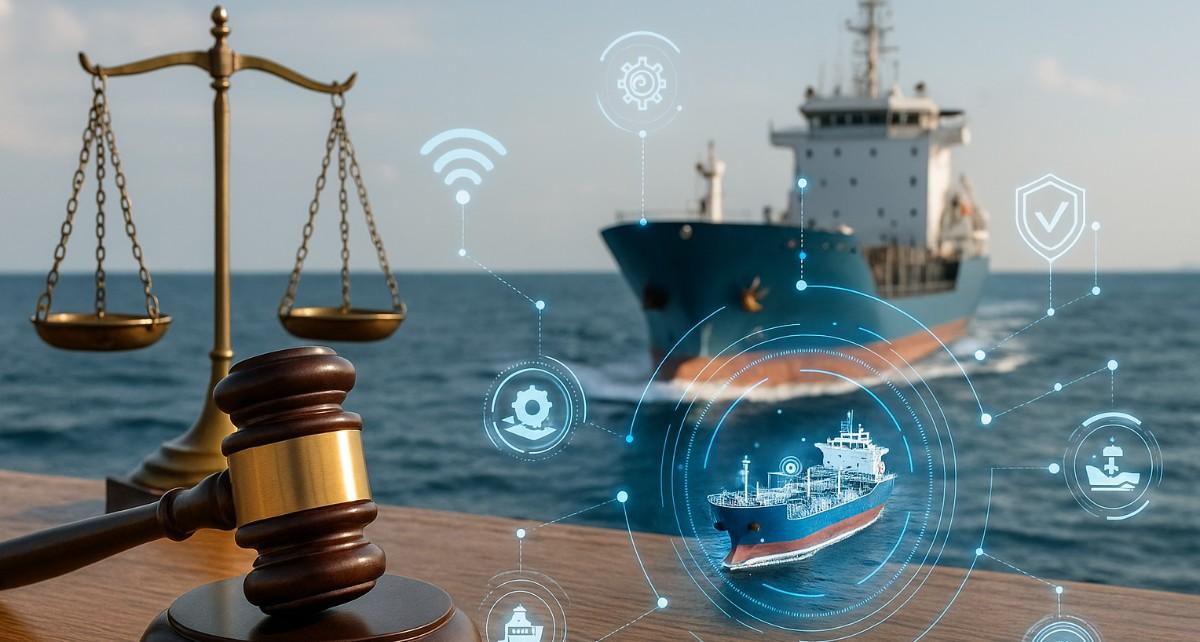
Today’s pirates use fast boats, satellite phones, and GPS systems to attack ships. They target cargo ships, oil tankers, and even fishing vessels. Unlike the pirates of the past, who often wanted treasure, modern pirates mainly steal goods, ask for ransom, or hijack ships for illegal trade.
Common forms of piracy include:
- Attacking ships to steal valuable cargo.
- Holding crews for ransom.
- Using violence or threats to control vessels.
- Moving stolen goods across international waters.
Along Maine’s coast, the U.S. Coast Guard and local law enforcement stay alert to prevent any illegal act at sea. Though rare near the state, the threat of piracy elsewhere can still harm Maine’s shipping and fishing industries.
The Role of Maritime Law in Maine
Maritime law, also known as admiralty law, sets rules for people and businesses that operate on the water. In Maine, it helps manage safety, trade, and justice over sea-related issues.
When it comes to piracy, maritime law allows authorities to:
- Arrest and charge pirates, no matter their nationality.
- Protect sailors and shipping companies from harm.
- Work with international organizations to stop sea crimes.
- Make insurance and trade operations safer for Maine ports.
These laws ensure justice at sea and keep trade routes open for goods coming in and out of Maine’s ports.
How Authorities Fight Modern Piracy
Modern piracy cases often involve cooperation between countries. Maine’s port security teams and federal authorities share information to stop illegal acts before they reach local waters.
Key efforts include:
- Surveillance patrols using radar and drones to monitor ships.
- Security training for sailors to handle suspected pirate attacks.
- Maritime courts that handle criminal cases linked to sea crimes.
- International agreements that allow U.S. forces to chase and arrest pirates.
When a case does occur, courts in Maine can rely on federal maritime law to take action. Pirates caught under these laws can face long prison terms.
Protecting Maine’s Coastal Economy
Piracy not only risks lives but also raises shipping costs. Insurance, fuel, and cargo protection all become more expensive when threats at sea increase. Maine’s marine economy, built on fishing, trade, and tourism, depends on secure seas.
To protect this, Maine supports:
- Strong Coast Guard presence along the coast.
- Collaboration with international maritime agencies.
- Public awareness about sea safety and law enforcement.
With these steps, the state continues to keep its seas safe and its maritime workers protected.
The Future of Safe Seas in Maine
Piracy may change with new technology, but so does maritime law. As Maine’s ports grow busier, strong laws and cooperative action help ensure smooth sailing for all. By guarding its waters, Maine shows that even modern seas can stay safe from old crimes.